

Travel from India to the USA typically takes between 15 to 24 hours, depending on the flight route and layovers. Direct flights are shorter, while connecting flights take longer.
Traveling from India to the USA requires careful planning due to the long flight duration. Direct flights from major Indian cities like Delhi, Mumbai, and Bangalore to key U. S. Hubs such as New York, San Francisco, and Chicago are available.
These flights usually take around 15 to 17 hours. Connecting flights may extend the travel time to 24 hours or more. Layovers in cities like Dubai, London, or Frankfurt are common. Booking early and choosing the best route can make the journey more comfortable. Understanding flight durations helps in better trip planning.
The newest addition to the Indian domestic market, Vistara is a joint venture between Tata Sons and Singapore Airlines. Vistara is quickly becoming popular for its affordable travel rates coupled with premium hospitality. The name ‘Vistara’ is symbolic of its vision of infinite expansion and the desire of the airline to become the Best Airline in India to the people.
Headquarters – Gurgaon
Type – Full service
IATA – UK
ICAO – VTI
2. Indigo
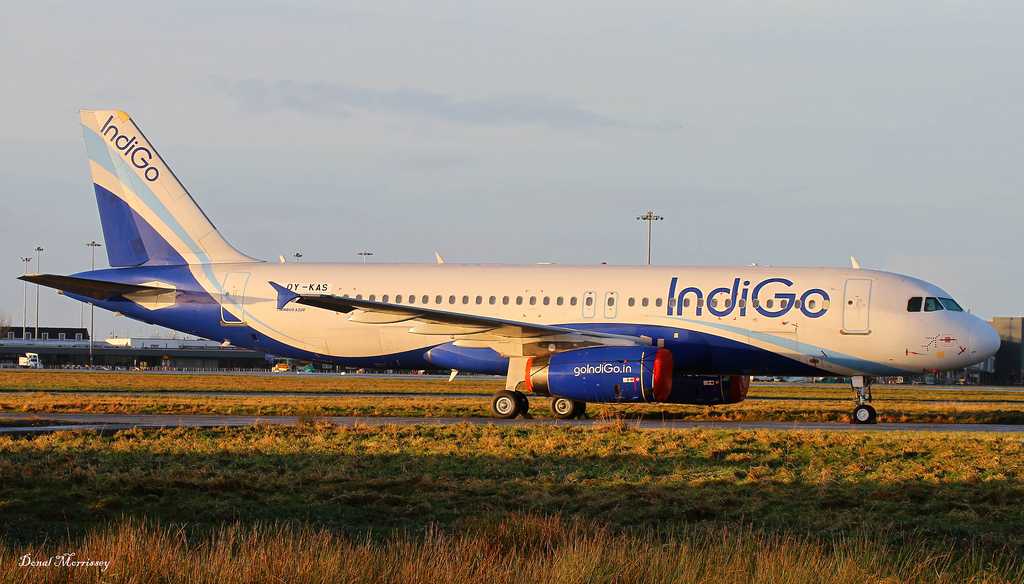
As of June 2018, Indigo commands a substantial 42% share of the Indian Aviation market. It has the largest fleet size in India and consequently can transport the largest number of passengers each year. Indigo also ranked first in the list of best airlines in India. Frequent flyers regularly choose Indigo for the cheapest flight fares, and deals offered year-round.
Headquarters – Gurgaon
Type – Low cost
IATA – 6E
ICAO – IG
Traveling from India to the USA involves several popular flight routes. These routes can be direct or connecting, each offering different travel times and experiences. Understanding these options helps you choose the best travel plan.
Direct Flights
Direct flights from India to the USA are convenient. They save time and offer a non-stop journey. Major airlines provide direct routes from cities like Delhi, Mumbai, and Bangalore to destinations such as New York, San Francisco, and Chicago.
Here are some popular direct flight routes:
- Delhi to New York
- Mumbai to San Francisco
- Bangalore to Chicago
The average travel time for these direct flights is around 15 to 17 hours.
Connecting Flights
Connecting flights often offer cheaper options. They include one or more layovers. These flights can be a good choice if you are looking for budget-friendly options. Major layover cities include Dubai, London, and Frankfurt.
Here is an example of a connecting flight route:
| Route | Layover City | Total Travel Time |
|---|---|---|
| Delhi to New York | Dubai | 20 hours |
| Mumbai to San Francisco | London | 22 hours |
| Bangalore to Chicago | Frankfurt | 21 hours |
Connecting flights offer breaks during long journeys. Travelers can explore layover cities briefly.
Major Departure Cities

India to the USA is a popular travel route. Major departure cities include Delhi, Mumbai, and Bangalore. These cities offer direct and connecting flights to the USA. Below is a detailed look at travel times from these cities.
Delhi
Delhi is the capital of India. It has Indira Gandhi International Airport. Travel time from Delhi to the USA varies. Direct flights to New York take around 15 hours. Connecting flights may take longer. Airlines like Air India and United Airlines offer direct flights.
Mumbai
Mumbai is the financial hub of India. Chhatrapati Shivaji Maharaj International Airport is the main airport. Direct flights to New York take about 16 hours. Connecting flights can take up to 24 hours. Delta Airlines and Air India provide direct flights.
Bangalore
Bangalore is India’s tech city. It has Kempegowda International Airport. Direct flights to the USA are rare. Most flights have one or two stops. Total travel time can range from 20 to 25 hours. Popular airlines include British Airways and Qatar Airways.
| City | Direct Flight Time | Airlines |
|---|---|---|
| Delhi | 15 hours | Air India, United Airlines |
| Mumbai | 16 hours | Delta Airlines, Air India |
| Bangalore | 20-25 hours (with stops) | British Airways, Qatar Airways |
Traveling from India to the USA involves long flights. The journey varies based on the destination city. Here we explore some major arrival cities in the USA.
New York
New York is a bustling city. Flights from India to New York take around 15 to 17 hours. The city has three major airports:
- John F. Kennedy International Airport (JFK)
- LaGuardia Airport (LGA)
- Newark Liberty International Airport (EWR)
JFK is the busiest for international flights. Many airlines offer direct flights. Some popular airlines include:
- Air India
- United Airlines
- Emirates
San Francisco
San Francisco is known for its tech industry. Flights from India to San Francisco take about 16 to 18 hours. The main airport here is:
- San Francisco International Airport (SFO)
SFO is a major hub for flights from Asia. Direct flights are available with several airlines:
- Air India
- United Airlines
- Singapore Airlines
Chicago
Chicago is famous for its architecture. Flights from India to Chicago take roughly 16 to 18 hours. The city has two major airports:
- O’Hare International Airport (ORD)
- Midway International Airport (MDW)
O’Hare is one of the busiest airports in the world. Direct flights are operated by:
- Air India
- United Airlines
- American Airlines
Factors Affecting Travel Time
Travel time can be influenced by a variety of factors, ranging from logistical considerations to natural conditions. Here’s a breakdown of key factors:
1. Mode of Transportation
- Air Travel: Typically the fastest for long distances but affected by airport check-in, security, and layovers.
- Road Travel: Speed varies depending on road quality, traffic conditions, and vehicle type.
- Rail Travel: Dependent on train type (e.g., high-speed vs. local) and rail infrastructure.
- Sea Travel: Usually the slowest but ideal for specific routes or leisure travel.
2. Distance and Route
- Directness: Straight-line distance versus the actual travel route (e.g., detours for roads, air corridors).
- Geography: Mountains, rivers, or seas can necessitate longer, indirect routes.
3. Traffic and Congestion
- Urban Areas: Congested cities can significantly increase road travel time.
- Peak Hours: Morning and evening rush hours can lead to delays.
4. Weather and Natural Conditions
- Adverse Weather: Heavy rain, snow, fog, or storms can delay flights, trains, and road travel.
- Seasonal Variations: Certain seasons may lead to slower travel due to icy roads or rough seas.
5. Infrastructure Quality
- Road Conditions: Poorly maintained or underdeveloped roads can slow down road travel.
- Public Transport Systems: Modern, efficient systems reduce travel time compared to outdated or limited networks.
6. Delays and Disruptions
- Accidents: Road accidents or technical failures can halt or delay travel.
- Strikes or Protests: Affect the availability of transport services.
7. Customs and Border Crossings
- Immigration Checks: Lengthy border or customs processes can add hours to travel time.
- Visa Requirements: Unprepared travelers might face delays at borders.
8. Personal and Operational Factors
- Traveler Preparedness: Late arrivals for departures can extend overall travel time.
- Layovers and Connections: Waiting for connecting flights, trains, or buses.
- Vehicle Speed Limits: Laws and safety considerations affect the maximum allowable speed.
9. Environmental and External Conditions
- Political or Social Events: Conflict zones, rallies, or major events may disrupt travel.
- Wildlife Activity: In rural or wilderness areas, wildlife on roads or tracks can cause delays.
Would you like a detailed analysis on how these factors apply to a specific mode of transport or region?
Traveling from India to the USA can take many hours. The travel time depends on several factors. These factors can change how long your journey will be.
Layovers
Layovers can add extra hours to your travel time.
Direct flights are faster but often expensive. Cheaper flights usually have layovers. Layover duration can range from 1 hour to 12 hours. Longer layovers mean more travel time.
Weather Conditions
Weather can affect your travel time.

Bad weather can delay flights. Storms, snow, and heavy rain can cause delays. Pilots must wait for safe flying conditions. This can add hours to your journey.
Air Traffic
Air traffic congestion can also affect travel time. Busy airports have many flights each day. Delays can happen if the airport is too busy. Air traffic control manages these delays. This can make your trip longer.
Airline Options
Choosing the right airline can significantly impact your travel experience, from comfort and pricing to layover times and destinations. Here are key factors and options to consider when selecting an airline:
1. Airline Categories
- Full-Service Airlines: Offer comprehensive services, including meals, checked baggage, and entertainment. Examples:
- International: Emirates, Qatar Airways, Singapore Airlines
- Domestic: Delta (US), Lufthansa (Germany), Qantas (Australia)
- Low-Cost Carriers (LCCs): Provide budget-friendly options but often charge extra for amenities. Examples:
- International: Ryanair (Europe), AirAsia (Asia), Jetstar (Australia)
- Domestic: Southwest (US), Indigo (India), easyJet (UK)
- Regional Airlines: Focus on short-haul or niche routes, often connecting smaller airports. Examples:
- Alaska Airlines (US), Flybe (UK), Bangkok Airways (Thailand)
2. Network and Alliances
- Global Alliances: Airlines within alliances offer seamless connections, shared miles, and benefits:
- Star Alliance: United Airlines, Lufthansa, Singapore Airlines
- Oneworld: American Airlines, British Airways, Qatar Airways
- SkyTeam: Delta Airlines, KLM, Korean Air
- Independent Airlines: Not part of alliances but offer unique destinations or experiences, e.g., Emirates, Etihad, Virgin Atlantic.
3. Routes and Destinations
- Direct Flights: Saves time but might be costlier or unavailable.
- Multi-Leg Options: Include layovers; ideal for destinations not served by direct flights.
- Hub Airports: Airlines with strong hubs (e.g., Emirates in Dubai, Delta in Atlanta) provide extensive routing options.
4. Pricing and Value
- Economy Class: Ideal for budget-conscious travelers. Compare prices across platforms like Skyscanner or Google Flights.
- Premium Economy: Offers more legroom and comfort for slightly higher costs.
- Business and First Class: Best for luxury, offering flatbeds, gourmet dining, and personalized service.
- Hidden Fees: Watch for added costs with LCCs for baggage, seat selection, or meals.
5. Customer Service and Reliability
- Punctuality: Airlines with better on-time performance include Delta, ANA, and Qatar Airways.
- Service Quality: Rated highly by customers for comfort and care are Singapore Airlines, Emirates, and Japan Airlines.
- Cancellation and Rebooking Policies: Flexible airlines are valuable during travel disruptions.
6. Frequent Flyer Programs and Perks
- Earning Miles: Look for airlines offering rewards for flights, which can be redeemed for upgrades or future travel.
- Elite Status: Includes perks like priority boarding, extra baggage, and lounge access.
- Credit Card Partnerships: Co-branded cards often provide additional benefits like free checked bags or travel insurance.
7. Onboard Experience
- In-Flight Entertainment: Full-service carriers often excel in this area.
- Wi-Fi Availability: Increasingly standard on international flights.
- Comfort: Seat size and recline vary significantly between airlines.
Would you like recommendations for specific airlines based on your destination, budget, or preferences?
Planning a trip from India to the USA?

For a trip from India to the USA, you have several options depending on your budget, flexibility, and preferences. Here’s a breakdown to help you plan:
1. Direct vs. Connecting Flights:
- Direct Flights: Airlines like Air India and United Airlines offer direct flights between major cities like Delhi, Mumbai, and New York, Chicago, or San Francisco. Direct flights are convenient but tend to be more expensive.
- Connecting Flights: You can save money by choosing connecting flights via Middle Eastern hubs (e.g., Dubai, Doha, Abu Dhabi) with airlines like Emirates, Qatar Airways, or Etihad Airways. European carriers like Lufthansa and British Airways also offer connecting flights via their hubs.
2. Budget Options:
While there aren’t strict “budget airlines” for long-haul flights between India and the USA, you can find competitive fares by booking early, being flexible with dates, and considering carriers like Turkish Airlines or Aeroflot, which sometimes offer lower fares with stopovers.
3. Visa Requirements:
- Ensure you apply for a U.S. visa (B1/B2 for tourists) well in advance, as interview wait times can vary.
- Prepare necessary documentation, including a valid passport, invitation letters (if applicable), and financial statements.
4. Best Time to Travel:
- Low Season: January to March and September to November often have cheaper fares.
- Peak Season: June to August (summer holidays) and December (Christmas/New Year) tend to be the most expensive.
5. Travel Tips:
- Baggage: Check baggage policies, as some airlines may charge for checked luggage.
- Jet Lag: The time difference can cause jet lag, so try to adjust your sleep schedule before departure.
- Insurance: Don’t forget travel insurance, especially for long-haul trips.
Would you like help finding the best flight options or information on specific cities to visit in the USA?
Understanding your airline options is crucial. There are several airlines to choose from, ranging from popular carriers to budget-friendly options. This section will help you navigate through your choices, ensuring a smooth travel experience.
Popular Airlines
Popular airlines offer reliable services and numerous amenities. Some of the well-known airlines that operate between India and the USA include:
- Air India – Direct flights with good in-flight services.
- United Airlines – Known for their extensive network.
- Emirates – Offers a luxurious flying experience.
- Qatar Airways – Excellent customer service and comfort.
- British Airways – Connects through London with great service.
Budget Airlines

For flights between India and the USA, traditional budget airlines are rare for long-haul international routes. However, you can find affordable flights by using certain carriers and booking strategies. Here are some budget-friendly airline options and tips:
1. Airlines with Competitive Fares:
While they are not strictly budget airlines, these carriers often provide lower-cost options compared to premium airlines:
- Turkish Airlines: Offers affordable flights with a stopover in Istanbul.
- Qatar Airways: Known for high-quality service, but frequently offers deals, especially from India via Doha.
- Etihad Airways: Competitive fares, with Abu Dhabi as a layover.
- Emirates: Offers flights via Dubai, often at lower prices when booked during sales or promotions.
- Air India: India’s national carrier occasionally offers lower-cost direct flights.
2. How to Find Budget Flights:
- Search Early: Booking flights 2-3 months in advance often gets you the best prices.
- Be Flexible with Dates: Mid-week flights or those during the off-peak season tend to be cheaper.
- Third-Party Sites: Use aggregators like Skyscanner, Google Flights, and Kayak to find the cheapest options.
3. Long-Haul Low-Cost Airlines (Connecting Flights):
Some airlines specialize in lower fares for connecting long-haul flights:
- Norwegian Air: Used to offer cheap long-haul flights between Europe and the USA, though availability may vary post-pandemic.
- Icelandair: Offers affordable flights to the USA via a stopover in Reykjavik from Europe. You might be able to connect using a separate flight to a European hub from India.
4. Budget-Friendly Tips:
- Watch for Sales: Airlines often have promotional sales, so keeping an eye out for discounts is key.
- Separate Bookings: Sometimes, you can book a cheaper flight from India to a European hub (like Paris, London, or Istanbul), then take a budget airline (like Icelandair or Norwegian) to the USA.
For ultra-budget options, it’s a good idea to be flexible with layovers, and keep in mind that some cheaper airlines might charge for extras like baggage or meals.
Would you like assistance in comparing some specific flights or routes?
Budget airlines are perfect for travelers looking to save money.
While they may not offer as many amenities, they provide essential services to get you to your destination. Some budget airlines flying between India and the USA include:
- Etihad Airways – Affordable rates with decent services.
- Turkish Airlines – Budget-friendly with a stopover in Istanbul.
- AirAsia – Known for its low-cost tickets.
Comparison Table
| Airline | Type | Features |
|---|---|---|
| Air India | Popular | Direct flights, good in-flight services |
| United Airlines | Popular | Extensive network |
| Emirates | Popular | Luxurious experience |
| Qatar Airways | Popular | Excellent customer service |
| British Airways | Popular | Great service, connects through London |
| Etihad Airways | Budget | Affordable rates |
| Turkish Airlines | Budget | Stopover in Istanbul |
| AirAsia | Budget | Low-cost tickets |
Choosing the right airline can enhance your travel experience. Whether you prefer comfort or budget, there is an option for you.
Travel Tips

Traveling can be an exciting experience, but careful planning and smart strategies can make it smoother, safer, and more enjoyable. Here are some essential travel tips to enhance your journey:
1. Pre-Travel Planning
- Research Your Destination: Learn about local customs, laws, weather, and language basics.
- Make Copies of Documents: Keep digital and physical copies of your passport, visa, and important IDs.
- Notify Your Bank: Inform them about your travel plans to avoid card blocks.
- Check Entry Requirements: Ensure your passport is valid (often 6 months past travel dates) and apply for visas if needed.
- Pack Smart: Use a checklist to pack efficiently and avoid overpacking.
2. Booking Tips
- Compare Prices: Use tools like Google Flights, Skyscanner, or Kayak to find deals on flights.
- Flexible Dates: Traveling mid-week or during off-peak seasons often saves money.
- Choose Accommodations Wisely: Balance budget with location and reviews on platforms like Booking.com or Airbnb.
3. Packing Essentials
- Travel-Sized Toiletries: Ensure they comply with airline regulations (100 ml limit for liquids).
- Power Bank & Universal Adapter: Essential for staying connected.
- First-Aid Kit: Include basic medicines for common ailments.
- Comfort Items: Neck pillows, noise-canceling headphones, or eye masks for long journeys.
4. Health & Safety
- Get Vaccinated: Check if your destination requires specific vaccinations (e.g., yellow fever).
- Travel Insurance: Protect against medical emergencies, trip cancellations, or lost luggage.
- Stay Aware: Avoid flashing valuables and keep an eye on your belongings.
- Emergency Numbers: Know the local emergency contacts for police, ambulance, and your embassy.
5. During the Journey
- Arrive Early: Give yourself plenty of time for airport security or transport connections.
- Stay Hydrated: Especially on long-haul flights to combat jet lag.
- Keep Snacks Handy: Bring non-perishable items like nuts or granola bars.
- Plan Entertainment: Download movies, books, or music for downtime.
6. Budgeting & Money Tips
- Carry Local Currency: Have a small amount for immediate expenses like taxis or snacks.
- Use Credit Cards Wisely: Prefer cards with no foreign transaction fees.
- Set Daily Limits: Avoid overspending by allocating a daily budget.
7. Navigating Your Destination
- Use Offline Maps: Apps like Google Maps allow offline downloads for navigation.
- Learn Key Phrases: Simple words like “hello,” “thank you,” and “help” in the local language can go a long way.
- Public Transport: Research local options like metro, buses, or trams for cheaper travel.
8. Sustainable Travel Tips
- Respect the Environment: Avoid single-use plastics and dispose of waste responsibly.
- Support Locals: Shop at local markets and eat at family-run restaurants.
- Pack Reusables: Bring a water bottle, shopping bag, and utensils to reduce waste.
9. Staying Connected
- International SIM or eSIM: Look for affordable plans or travel-friendly SIM cards.
- Wi-Fi Hotspots: Use public Wi-Fi carefully and consider a VPN for security.
10. Dealing with Challenges
- Lost Luggage: Always keep essentials like documents and a change of clothes in your carry-on.
- Missed Flights: Contact the airline immediately to explore rebooking options.
- Health Issues: Seek help promptly and carry travel insurance details for assistance.
Would you like tailored travel tips for a specific destination or situation?
Traveling from India to the USA can be a long journey
Yes, traveling from India to the USA can be quite a long journey due to the significant distance and potential layovers. Here are some key factors to consider for a smoother and more comfortable trip:
1. Flight Duration:
- Direct Flights: The shortest flights (e.g., from Delhi or Mumbai to New York or Chicago) are around 15-17 hours.
- Connecting Flights: If you opt for a layover, the total travel time can stretch to 20-30 hours depending on the connection point and layover duration.
2. Common Layover Cities:
- Middle East: Doha, Dubai, Abu Dhabi (with airlines like Qatar Airways, Emirates, Etihad).
- Europe: London, Frankfurt, Paris, Istanbul (with airlines like British Airways, Lufthansa, Turkish Airlines).
- Asia: Singapore, Hong Kong (though these routes tend to be longer).
3. Comfort Tips for Long-Haul Flights:
- Stay Hydrated: Airplane cabins can be very dry, so drink water regularly.
- Move Around: Try to stretch and walk during the flight to improve circulation and prevent stiffness.
- Dress Comfortably: Wear layers to adapt to the changing temperatures onboard and in airports.
- Sleep Essentials: Pack a neck pillow, eye mask, and noise-canceling headphones to make it easier to rest.
- Entertainment: Load up your devices with books, movies, or podcasts to pass the time, as some budget airlines may have limited in-flight entertainment.
4. Handling Jet Lag:
- Time Zone Difference: The USA is anywhere from 9.5 to 13.5 hours behind India, depending on where you’re going. To minimize jet lag:
- Try to gradually adjust your sleep schedule a few days before departure.
- After landing, get exposure to natural light and stay active to help your body adapt to the new time zone.
5. Layover Considerations:
- Airport Facilities: If you have a long layover, choose hubs with good amenities. For example, airports like Doha’s Hamad International Airport, Dubai International, and Singapore Changi offer great rest areas, showers, and lounges.
- Layover Length: If you have a layover longer than 8-10 hours, some airlines or airports offer free city tours (e.g., in Doha or Istanbul).
6. Immigration and Customs:
- Ensure you have all necessary documentation for the U.S. immigration process. This includes a valid U.S. visa (tourist or business visa), passport, and return tickets.
By planning your journey well, you can make the long trip more manageable and comfortable. Would you like tips for a specific route, layover location, or additional guidance on the immigration process?
The flight duration can range from 15 to 20 hours. To make your trip smooth, follow these travel tips.
Booking In Advance

Booking your flight tickets in advance can save you money.
Booking your flight tickets in advance is one of the most effective ways to save money on travel. Here’s why it can make a significant difference to your budget, along with some strategies to maximize your savings:
Why Booking in Advance Saves Money
-
Lower Base Fares
- Airlines typically offer the best prices early on. As the flight date approaches, prices tend to rise due to increased demand and fewer available seats.
-
More Availability
- Early booking gives you a broader selection of flights, allowing you to choose the most affordable options and avoid the premium prices of last-minute bookings.
-
More Time to Compare Prices
- When you book early, you have time to compare fares across different airlines, travel agencies, and platforms, ensuring you get the best deal.
-
Access to Deals and Promotions
- Many airlines and travel booking websites have early bird discounts or flash sales, which are often offered months in advance to fill up flights.
-
Avoid Last-Minute Price Hikes
- Last-minute bookings are often the most expensive, as airlines know there’s limited time and fewer choices left for travelers.
Best Time to Book Flights
- Domestic Flights: Aim to book at least 3-6 weeks in advance to secure the best fares.
- International Flights: For international travel, booking 2-5 months ahead of your departure date is often ideal, with 3 months being a sweet spot for good prices.
Tips for Booking in Advance to Save More
-
Set Fare Alerts
- Use fare comparison websites like Google Flights, Skyscanner, or Kayak to set alerts for price drops on specific routes. This helps you monitor trends and book when prices fall.
-
Be Flexible with Dates
- Airfares vary based on the day of the week, time of day, and season. If possible, adjust your travel dates to find the cheapest flights. For example, mid-week flights (Tuesday or Wednesday) are often cheaper than weekend flights.
-
Consider Off-Peak Travel
- Traveling during off-peak seasons, such as early spring or fall, generally offers lower ticket prices. Avoid holidays or popular vacation periods when airlines increase fares.
-
Use Airline Miles or Points
- If you have frequent flyer miles or points accumulated on a credit card, booking in advance may give you better opportunities to redeem them for flights.
-
Book Round Trip or Multi-City
- Often, booking a round-trip ticket or a multi-city flight is cheaper than booking two one-way tickets separately.
-
Be Strategic with Connecting Flights
- Direct flights tend to be more expensive. If you’re flexible and have time, consider booking flights with layovers to save money.
-
Consider Budget Airlines
- If you’re booking well in advance, low-cost carriers may offer significant savings, though be sure to factor in any extra fees for luggage, seat selection, etc.
-
Check Different Airports
- If you’re flying to a major city, check surrounding airports for cheaper options. For example, in New York, flying into Newark may be less expensive than flying directly into JFK or LaGuardia.
When NOT to Book Too Early
- Special Deals or Last-Minute Promotions: Occasionally, airlines offer special flash sales or promotions within 1-2 weeks of departure. These deals may not be predictable, so you need to be flexible.
- Flights During Major Events: Booking too early for flights during high-demand periods, such as large conferences, festivals, or major sports events, may not always offer the best savings.
Booking early is one of the simplest ways to save on travel costs, but it requires planning ahead and being flexible. Would you like to know how to set fare alerts or more on when to book specific flights?
Airlines often offer discounts for early bookings. Use price comparison websites to find the best deals. Booking at least three months ahead is a good idea.
Choosing The Right Flight
Choosing the right flight is crucial for a comfortable journey. Non-stop flights are faster but can be expensive. Consider flights with layovers if you want to save money. Look for flights that offer amenities like extra legroom and in-flight entertainment.
Packing Essentials

Packing smart is key for a long journey. Make a list of essentials to avoid forgetting items. Here are some must-haves:
- Passport and visa
- Travel insurance
- Comfortable clothing
- Snacks and water
- Travel pillow and blanket
- Entertainment devices like tablets or books
Pack light to avoid extra baggage fees. Keep important items in your carry-on bag.
| Item | Why You Need It |
|---|---|
| Passport and Visa | Necessary for international travel |
| Travel Insurance | Protects you from unexpected events |
| Comfortable Clothing | Ensures a relaxed journey |
| Snacks and Water | Keeps you energized |
| Travel Pillow and Blanket | Helps you sleep better |
| Entertainment Devices | Prevents boredom |
Frequently Asked Questions
How Many Hours From India To The USA In Flight?
The flight duration from India to the USA varies. It typically takes 15 to 20 hours. The exact time depends on the route and layovers.
Can We Go To The USA By Train From India?
No, you cannot travel from India to the USA by train. There are no train routes connecting the two countries.
How Much Is A Flight Ticket From India To USA?
Flight ticket prices from India to the USA typically range from $500 to $1,500. Prices vary based on season and airline.
How Far Is India From USA By Car?
You cannot drive from India to the USA. They are separated by oceans. Travel by car is impossible.
Conclusion
Traveling from India to the USA typically takes around 15 to 20 hours, depending on layovers. Planning your journey well can make the trip smoother.
Direct flights are faster but often more expensive. Keep this information in mind for a hassle-free travel experience.
Enjoy your journey from India to the USA!