

No, you cannot travel from India to Australia by road. The two countries are separated by vast oceans.
India and Australia are geographically distant, separated by the Indian Ocean and other water bodies. Traveling between these countries typically involves air or sea routes. While both nations offer rich cultural experiences and beautiful landscapes, road travel is not an option due to the lack of connecting land routes.
Flights are the most practical and efficient way to journey from India to Australia. They provide numerous options in terms of airlines, travel time, and costs. This makes air travel the preferred choice for tourists and business travelers alike. Therefore, planning your trip should focus on air travel arrangements.
Planning a road trip from India to Australia sounds exciting! It requires detailed route planning. You must consider various factors. These include key destinations, alternate routes, and travel requirements. Let’s explore the best ways to make this journey memorable.
Key Destinations
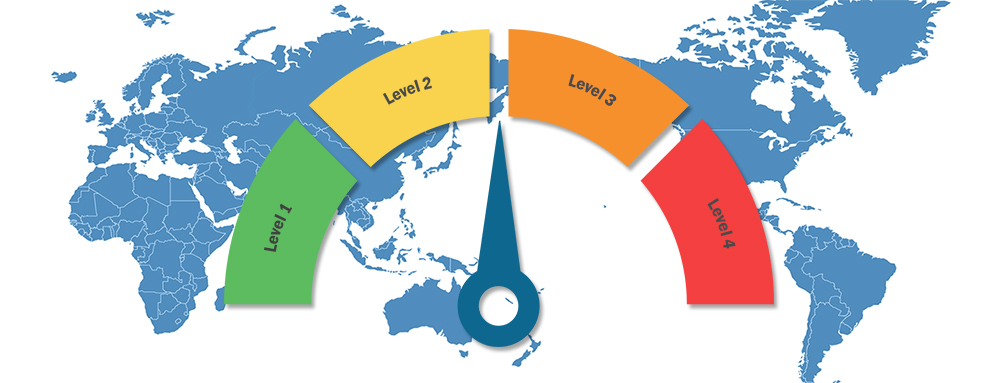
While traveling from India to Australia, you pass through several key destinations. Each destination offers unique experiences and challenges. Here are some must-visit places:
- New Delhi, India – Start your journey in India’s capital. Visit historical sites and vibrant markets.
- Bangkok, Thailand – A bustling city with rich culture and delicious food.
- Kuala Lumpur, Malaysia – Famous for its iconic towers and diverse cuisine.
- Jakarta, Indonesia – Experience the lively urban life and beautiful landscapes.
- Darwin, Australia – Your final destination with stunning natural beauty.
Alternate Routes
Multiple routes connect India and Australia. Choosing the right one depends on your preferences and travel conditions. Here are two popular options:
| Route | Key Stops | Approximate Distance |
|---|---|---|
| Route A | New Delhi → Bangkok → Kuala Lumpur → Jakarta → Darwin | 13,000 km |
| Route B | New Delhi → Kathmandu → Yangon → Jakarta → Darwin | 14,500 km |
Both routes offer breathtaking views and unique experiences. Consider the road conditions and political situations of each country.
Proper planning ensures a smooth and enjoyable journey. Make sure to gather all necessary documents. Plan your stops and budget accordingly. Happy traveling!
Visa And Documentation
Planning to travel from India to Australia by road involves thorough preparation.

Planning to travel from India to Australia by road would be a complex and ambitious journey, as the two countries are separated by vast distances, water bodies, and diverse terrain. Although it’s not possible to directly drive between the two due to geographical barriers, a multi-modal trip combining road travel, ferry crossings, and possible air segments could allow for parts of the journey to be completed by land and sea. Here’s a breakdown of what this would involve:
1. Geographical and Logistical Challenges
- Water Bodies: The primary challenge is the Indian Ocean separating Southeast Asia from Australia. There are no bridges or tunnels connecting these continents, so you would need to use a ferry or a ship to transport your vehicle across the water.
- No Direct Road Network: There’s no direct road link from India to Australia. The journey would require traveling through multiple countries, navigating various terrain, and adapting to different road conditions.
- Visa and Border Crossings: You would need multiple visas for the countries you’d pass through, and some borders may have complex regulations for international road travelers.
2. Possible Route Overview
A journey by road and sea from India to Australia would likely follow this general route:
India to Southeast Asia (By Road)
- India to Myanmar: Start your journey by driving from India through the Northeast states (Assam, Manipur) into Myanmar via the Moreh-Tamu border crossing.
- Myanmar to Thailand: Continue through Myanmar to the border with Thailand. Road networks here are well-developed, and you can travel on the Asian Highway network.
- Thailand to Malaysia: Drive south through Thailand and cross into Malaysia via the Sadao Border (Thai-Malay border). Both Thailand and Malaysia have good road infrastructure.
- Malaysia to Singapore: From Malaysia, head south to Singapore. This leg would take you across the Johor-Singapore Causeway.
Southeast Asia to Australia (By Sea or Air)
- Singapore to Indonesia (Ferry or Ship): You’ll need to ship your vehicle from Singapore or Malaysia to Indonesia. Indonesia is a large archipelago, so you would also need ferries or ships to navigate between its islands.
- Indonesia to Australia: The final leg involves getting from Indonesia to Australia, typically by air or cargo ship, as there’s no road or ferry connection between the two. You could ship your vehicle from Timor Leste or Eastern Indonesia to Darwin, Australia (the closest port in Northern Australia).
3. Key Considerations
1. Road Conditions and Terrain
- India and Myanmar: Roads in parts of India and Myanmar may be poorly maintained, especially in rural or mountainous areas. Be prepared for narrow roads, potholes, and limited services in remote regions.
- Southeast Asia: Road networks in Thailand, Malaysia, and Singapore are generally well-developed, with highways connecting major cities.
- Indonesia: Roads can vary greatly in quality, and some islands may have more basic infrastructure.
2. Border Crossings and Visas
- Multiple Visas: You will need visas for every country you pass through, including transit permits for your vehicle. Ensure you research the entry requirements for each country, as some may have strict regulations regarding international drivers or car imports.
- Customs for Vehicles: You may need to temporarily import your vehicle at each border, which could involve paying customs fees or obtaining permits.
- Carnet de Passages: This is a document required for temporarily importing a vehicle into certain countries. Some countries you pass through may require this, so make sure to arrange it in advance.
3. Safety and Local Laws
- Local Driving Laws: Each country has its own driving regulations, and it’s important to familiarize yourself with them, including speed limits, road signs, and insurance requirements.
- Health and Safety: You’ll need to take precautions regarding health, including vaccinations and medical supplies, as some areas have limited access to healthcare facilities. Travel insurance is highly recommended.
4. Time and Cost
- Time: A trip of this magnitude could take several weeks or even months, depending on your pace and any delays at border crossings, ferry schedules, or shipping arrangements.
- Cost: Expect significant costs associated with shipping your vehicle between countries (especially across the ocean), obtaining visas, fuel, accommodation, and food. The costs could add up considerably.
4. Shipping Your Vehicle
If you choose to ship your vehicle at certain stages of the journey, especially from Singapore to Indonesia or from Indonesia to Australia, you’ll need to:
- Work with a Vehicle Shipping Company: Find a reputable company that specializes in international vehicle transport.
- Plan Shipping Logistics: This involves customs clearance, ensuring your vehicle meets the import standards for the country of arrival, and paying shipping fees.
- Prepare for Delays: Shipping could take several days or weeks depending on the company, route, and any customs delays.
5. Alternative Option: Flying to Australia and Renting a Vehicle
Since the road-to-sea route from India to Australia is not straightforward, an alternative option could be to:
- Fly to Australia and rent a vehicle upon arrival.
- This way, you avoid the complexities of shipping your vehicle across multiple countries and ocean crossings. You can still enjoy road trips in Australia, traveling to places like the Great Ocean Road, Sydney to Brisbane coastal drive, or exploring Western Australia.
The journey spans multiple countries, requiring various visas and important documents. This section covers the necessary visas and documentation for a smooth trip.
Required Visas

Each country you pass through will have its own visa requirements. Here is a list of the necessary visas:
- India: Ensure your Indian passport is valid.
- Pakistan: Obtain a transit visa for Pakistan.
- Iran: Secure a tourist visa for Iran.
- Turkey: Apply for an e-visa online for Turkey.
- Greece: Schengen visa required for Greece.
- Italy: Schengen visa covers Italy as well.
- Other European countries: Ensure your Schengen visa is valid for all transit countries.
- Australia: Apply for an Australian tourist visa.
Important Documents
Along with visas, you need various documents to ensure smooth travel. Here’s a list of essential documents:
| Document | Details |
|---|---|
| Passport | Ensure it’s valid for at least six months. |
| Driver’s License | An international driving permit is recommended. |
| Vehicle Registration | Carry the vehicle’s original registration papers. |
| Insurance Documents | Ensure your vehicle has international insurance coverage. |
| Health Insurance | Have health insurance that covers international travel. |
| COVID-19 Vaccination Certificate | Carry proof of vaccination for COVID-19. |
Make copies of all documents. Keep them separate from the originals for safety.
Vehicle Preparation
Proper vehicle preparation ensures safety, reliability, and peace of mind during trips, whether for daily commutes, road trips, or off-road adventures. Here’s a comprehensive guide to vehicle preparation:
1. General Maintenance Checks
Ensure your vehicle is in good working condition by addressing these key areas:
a. Fluid Levels
- Engine Oil: Check and change if necessary. Top off to the correct level.
- Coolant/Antifreeze: Ensure the cooling system has sufficient fluid to prevent overheating.
- Brake Fluid: Check the level and ensure brakes are responsive.
- Transmission Fluid: For automatic vehicles, verify levels and condition.
- Windshield Washer Fluid: Fill up and test the spray system.
b. Tires
- Tire Pressure: Inflate to the manufacturer-recommended PSI (check the door sticker or user manual).
- Tread Depth: Replace tires with worn or uneven treads.
- Spare Tire: Ensure it’s in good condition and properly inflated.
c. Battery
- Test battery health with a voltmeter or at a service center.
- Clean terminals and ensure secure connections.
d. Lights
- Check all lights: headlights, brake lights, turn signals, hazard lights, and interior lights.
- Replace any burnt-out bulbs.
e. Wiper Blades
- Inspect for wear or damage and replace if streaking occurs.
f. Brakes
- Listen for unusual noises and ensure there’s no vibration or reduced performance when braking.
2. Emergency Kit
Prepare an emergency kit tailored to your trip:
- Basic Tools: Screwdriver set, pliers, wrench, jack, and lug wrench.
- Jump Starter or Cables: For battery emergencies.
- First Aid Kit: Include bandages, antiseptics, and necessary medications.
- Flashlight: With extra batteries or a rechargeable option.
- Emergency Triangle/Reflectors: For visibility during breakdowns.
- Tire Repair Kit: For minor punctures.
- Portable Air Compressor: To refill tires on the go.
- Duct Tape and Zip Ties: Temporary fixes for minor issues.
3. Documentation
Ensure you have the following:
- Driver’s License: Valid and current.
- Vehicle Registration: Up-to-date and in the vehicle.
- Insurance Documents: Proof of coverage, including roadside assistance details.
- Owner’s Manual: For quick reference during issues.
4. For Long Road Trips
Take additional steps for extended journeys:
a. Pre-Trip Inspection
- Visit a mechanic for a comprehensive inspection if you’re unsure of the vehicle’s condition.
b. Plan for Refueling
- Map out gas stations along the route.
- Carry a small fuel canister (if permissible) for emergencies.
c. Organize the Vehicle
- Trunk Essentials: Secure tools and gear to avoid shifting during driving.
- Interior Comfort: Include phone chargers, snacks, water, and entertainment for passengers.
d. Navigation
- Update GPS devices or download offline maps on your phone.
5. Seasonal Preparations
Tailor your vehicle prep to the season:
a. Winter
- Snow Tires: Replace or install snow chains if traveling in snowy areas.
- De-Icer: Carry windshield and lock de-icers.
- Heater: Ensure the heating system is functional.
b. Summer
- Air Conditioning: Test for proper cooling.
- Coolant: Ensure adequate levels to prevent overheating.
- Sun Protection: Install sunshades or tint windows.
6. Off-Road or Adventure Travel
For rugged terrain or remote destinations:
- 4×4 Systems: Test and ensure functionality if applicable.
- Recovery Gear: Include tow straps, a winch, and a shovel.
- Extra Supplies: Carry spare fluids, belts, and hoses.
- Navigation Tools: Include a physical map and compass as a backup.
7. Final Pre-Trip Steps
- Clean the Vehicle:
- Wash the exterior and tidy up the interior for comfort and visibility.
- Test Drive:
- Go on a short test drive to check for unusual noises, vibrations, or performance issues.
- Fuel Up:
- Fill the tank and reset the odometer if tracking mileage.
- Emergency Contacts:
- Share your travel plans with someone and keep roadside assistance contacts handy.
Would you like a checklist tailored to a specific trip, such as a road trip, daily commute, or seasonal drive?
Traveling from India to Australia by road is an epic journey..

Proper vehicle preparation is crucial for a safe and smooth trip. This section will guide you through the necessary steps.
Vehicle Requirements
Ensure your vehicle meets international travel standards. Here are the key requirements:
- Vehicle Registration: Your vehicle must be legally registered.
- International Driving Permit: You need an IDP for driving in foreign countries.
- Vehicle Insurance: Obtain comprehensive insurance that covers international travel.
Essential Modifications

Dec
Do you need rally mods for your adventure motorcycle if you’re not planning to race?
Actually, scratch that. Do you need mods at all?
And if you do, what are the essential adventure motorcycle mods in the first place?
Bikes are typically sold in stock condition, designed to cater to an average rider on average terrains. The thing is, that average rider doesn’t really exist. Given the diverse range of riders and riding scenarios, modifications are what allow you to tailor the bike to individual preferences and requirements. While not obligatory, certain modifications can significantly enhance the comfort, safety, and overall riding experience.
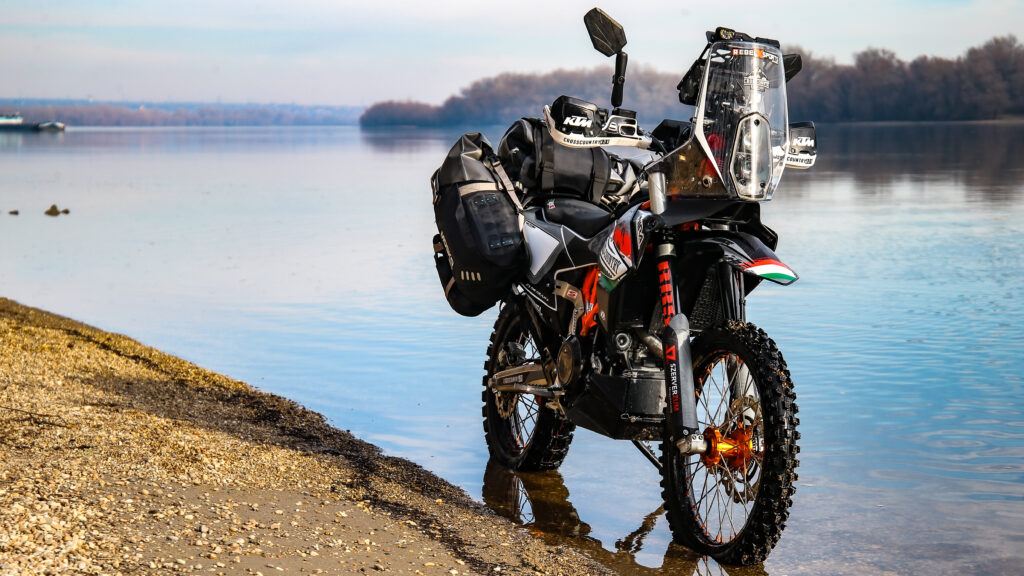
So, no, you don’t necessarily need adventure motorcycle mods, especially if you’re not planning to race rallies or do hard, technical terrain. That being said, some aftermarket modifications can make a huge difference in how your bike handles and, in the process, boost your confidence and speed up your skill-building.
If you’re just starting out, however, it can be tough to decide which mods are truly essential and what’s just overpriced bling. Having modified motorcycles and built several rally bikes over the years, we’ve learned what really matters and what belongs in the farkle category, and in this post, we’ll be looking at some of the most impactful adventure motorcycle mods that are worth investing in.
Skid Plate & Engine Protection
First things first: even if you don’t plan to take your Tenere 700 or your GS to the Romaniacs, a decent bash plate is a must. You don’t need to be doing hard enduro to bust your bike’s innards or engine cover with a sharp flying rock – that can happen on a perfectly adventure-friendly gravel road or forest trail.
Do invest in a good-quality, lightweight skid plate like the Carbon Fox (best lightweight option out there) or a GP Mucci bash plate (best protection out there).

Then, there’s engine protection: having cracked an engine case on a rental Honda somewhere in the Colombian Andes, we know just how painful it is to inflict this much damage on the bike by something that could have easily been prevented. We love the Acerbis X-Power engine cover for its sturdiness and reliable design.
Some modifications are essential for this long journey. They ensure your vehicle can handle various terrains and climates. Here are the most important ones:
- Off-Road Tires: Equip your vehicle with high-quality off-road tires.
- Extra Fuel Tanks: Install additional fuel tanks for extended range.
- Suspension Upgrade: Improve the suspension for rough roads.
- Navigation System: A reliable GPS system is a must.
- Emergency Kit: Carry a comprehensive emergency kit including tools and medical supplies.
A well-prepared vehicle is key to a successful road trip from India to Australia. Ensure you meet all requirements and make necessary modifications.
Safety Measures

Taking safety measures ensures a secure and stress-free journey, whether you’re traveling by road, air, or other means. Here’s a comprehensive guide to safety measures for different travel scenarios:
1. Road Travel Safety Measures
a. Vehicle Safety
- Pre-Trip Inspection: Check tires, brakes, lights, fluids, and the battery.
- Seat Belts: Ensure all passengers are buckled up at all times.
- Child Safety Seats: Use appropriate car seats or boosters for children based on age and weight.
- Speed Limits: Adhere to posted speed limits and adjust for weather or road conditions.
- Avoid Distractions: Do not text, use mobile devices, or eat while driving.
- Stay Alert: Take breaks during long drives to avoid fatigue.
b. Emergency Preparedness
- Carry an emergency kit, including a flashlight, first aid supplies, and jumper cables.
- Keep a fully charged phone and share your travel plans with someone.
c. Defensive Driving
- Maintain a safe following distance.
- Anticipate other drivers’ actions and watch for erratic driving behaviors.
- Be cautious at intersections and when overtaking vehicles.
2. Air Travel Safety Measures
a. Health and Hygiene
- Wear comfortable clothing and shoes.
- Stay hydrated to avoid dehydration during flights.
- Use hand sanitizer and wipes to clean surfaces like tray tables and armrests.
b. Security and Documentation
- Arrive early for security checks and to handle unexpected delays.
- Keep your passport, boarding pass, and ID easily accessible.
- Follow airline and airport security protocols.
c. Emergency Awareness
- Familiarize yourself with the nearest exits and safety instructions from flight attendants.
- Keep your seatbelt fastened when seated to avoid turbulence-related injuries.
3. International Travel Safety Measures
a. Research and Planning
- Learn about the local laws, customs, and emergency numbers for your destination.
- Check travel advisories and health guidelines from your government.
- Register with your embassy or consulate if required.
b. Health Safety
- Get necessary vaccinations or medications for the destination.
- Carry a travel-sized first aid kit and any prescription medications.
- Be cautious about local food and water; opt for bottled water when in doubt.
c. Personal Safety
- Avoid displaying valuables like expensive jewelry or electronics.
- Use hotel safes to store passports and extra cash.
- Stay in well-lit and populated areas, especially at night.
4. Public Transport Safety Measures
a. Buses and Trains
- Keep an eye on your belongings and avoid leaving bags unattended.
- Be mindful of pickpockets in crowded areas or during boarding.
b. Ridesharing and Taxis
- Verify the driver’s credentials and confirm the ride through the app.
- Share trip details with a trusted contact.
- Sit in the backseat for added safety.
5. Hotel and Accommodation Safety
a. Room Security
- Ensure doors and windows lock securely.
- Use the peephole before opening the door to strangers.
- Avoid sharing your room number publicly.
b. Fire Safety
- Familiarize yourself with the fire exits and evacuation routes.
- Keep a flashlight accessible in case of a power outage.
6. Personal Safety Measures
a. Stay Alert
- Be aware of your surroundings and avoid secluded areas.
- Avoid excessive alcohol consumption, especially when alone.
b. Use Technology
- Install safety apps like bSafe, GeoSure, or Life360 to share your location or alert contacts in emergencies.
c. Trust Your Instincts
- If a situation feels unsafe, leave immediately and seek help.
7. Health and COVID-19 Safety
- Follow local health guidelines, including mask-wearing and social distancing if applicable.
- Carry a COVID-19 vaccination card or negative test results if required.
- Monitor your health during and after your trip.
8. Weather and Natural Disaster Preparedness
- Check weather forecasts regularly.
- Avoid traveling during severe weather conditions like storms or floods.
- Know evacuation plans and shelter locations if traveling to disaster-prone areas.
9. Cybersecurity and Data Safety
- Avoid using public Wi-Fi without a VPN.
- Use strong passwords and enable two-factor authentication for online accounts.
- Keep digital backups of important documents in secure cloud storage.
10. Emergency Contact Information
- Save local emergency numbers (police, ambulance, fire).
- Know the contact details for your country’s embassy or consulate.
- Share your itinerary with family or friends.
Would you like a personalized safety checklist based on your destination or mode of travel?
Traveling from India to Australia by road is an adventurous journey. Ensuring safety is paramount for a successful trip. This section will guide you through the essential safety measures.
Health Precautions
Standard Precautions for Healthcare Activities
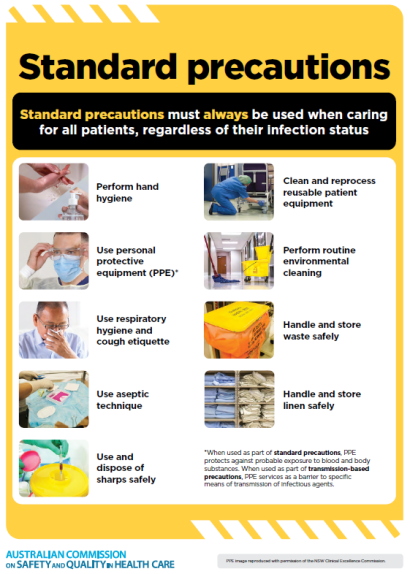
According to Occupational Exposure to Bloodborne Pathogens (Chapter 296-823 WAC), all human blood and body fluids that could potentially transmit bloodborne pathogen must treated as if known to be infectious for HIV, HBV, and other bloodborne pathogens. Standard precautions expands on this principle.
Standard Precautions are used for all patient care encounters and are based on risk assessment, use of common sense practices, and proper use of personal protective equipment (PPE) to protect health care personnel (HCP) from exposure to infectious disease and prevent transmission between patients.
Standard Precautions are used whether or not an infectious disease has been identified and are the minimum level of precautions used when providing care.
Components of Standard Precautions
Hand Hygiene
Use of PPE whenever there is expectation of possible exposure
Respiratory hygiene and cough etiquette
Proper cleaning and disinfection and careful handling of textiles and laundry
Safe injection practices and handling of sharps
Before embarking on your journey, ensure you are in good health. Get a thorough medical check-up. Carry a first aid kit with basic medications.
Vaccinations are necessary. Check the required vaccines for countries en route. Ensure your routine vaccinations are up to date.
Stay hydrated and eat hygienic food. Avoid street food to prevent stomach issues.
Wear comfortable clothing and footwear. Protect yourself from extreme weather conditions.
Emergency Contacts
Always keep a list of emergency contacts. This should include family, friends, and local authorities.
Have contact numbers for embassies and consulates of countries on your route. This can be crucial in case of any legal or medical emergencies.
Use a GPS device or smartphone app for real-time location tracking. Share your location with close ones.
| Contact Type | Number |
|---|---|
| Family | +1234567890 |
| Local Police | +9876543210 |
| Embassy | +1122334455 |
Keep a printed copy of important contacts. Phones can run out of battery or get lost.
Budgeting The Trip
Budgeting for a trip is essential to ensure a stress-free and enjoyable experience. Here’s a step-by-step guide to help you plan and manage your travel expenses effectively:
1. Determine Your Overall Budget
Decide how much you can afford to spend on the trip. Consider:
- Current savings
- Income available before the trip
- Any extra funds you might need to set aside for emergencies.
2. Break Down the Costs
Divide your trip expenses into categories for better tracking and allocation:
a. Transportation
- Flights: Research ticket prices and book early to secure the best deals.
- Local Transport: Include taxis, public transit, car rentals, fuel, and parking fees.
- Visa Fees: Account for application costs if traveling internationally.
b. Accommodation
- Choose options based on your budget (hotels, hostels, vacation rentals, camping, etc.).
- Factor in taxes or additional fees, such as cleaning or resort charges.
c. Food and Drink
- Research average meal costs at your destination.
- Set aside money for dining out, groceries, snacks, and beverages.
- Consider local specialties or must-try dishes.
d. Activities and Entertainment
- Include sightseeing, guided tours, entry fees to museums or attractions, and adventure activities.
- Check for free or discounted options, like city passes or off-peak entry tickets.
e. Miscellaneous Expenses
- Shopping: Souvenirs, gifts, or personal items.
- Travel Insurance: Protect yourself against medical emergencies, cancellations, and theft.
- Tips and Gratuities: For guides, hotel staff, or restaurant servers.
3. Research and Plan Ahead
- Destination Costs: Use travel blogs, forums, and budgeting apps to estimate daily expenses for your location.
- Currency Exchange: Understand the exchange rate and fees for withdrawing or converting money abroad.
- Seasonal Variations: Account for price differences between peak and off-peak seasons.
4. Create a Daily Budget
Divide your overall budget by the number of days for a daily spending limit. For example:
- $100/day for a $700 trip over 7 days.
- Adjust for days with higher expenses, such as tours or travel days.
5. Save Money with Smart Choices
a. Transportation
- Look for budget airlines or train passes for long-distance travel.
- Use public transport or walk instead of renting cars or taking taxis.
b. Accommodation
- Stay in hostels, guesthouses, or shared accommodations to save on lodging.
- Look for discounts through platforms like Airbnb, Booking.com, or Couchsurfing.
c. Food
- Cook some meals if your accommodation has a kitchen.
- Try street food or local eateries instead of expensive restaurants.
- Take advantage of free hotel breakfasts.
d. Activities
- Prioritize must-see attractions and cut back on less important ones.
- Look for free walking tours or outdoor activities like hiking.
6. Track Your Expenses
a. Use Budgeting Apps
- Apps like Trail Wallet, TravelSpend, or Mint can help you monitor spending in real time.
b. Record Daily Expenses
- Keep receipts or note purchases to ensure you’re staying on track.
7. Prepare for Emergencies
- Set aside 10-20% of your budget for unexpected costs, such as medical issues or last-minute changes.
- Keep a credit card or emergency cash reserve.
8. Post-Trip Review
- Reflect on your spending to identify areas where you stayed on track or overspent.
- Use these insights for better planning on your next trip.
Would you like a sample budget template or a personalized plan for a specific destination?
Traveling from India to Australia by road is an exciting adventure.

It needs careful budgeting to ensure a smooth journey. Here’s a comprehensive guide to help you plan and manage your finances for this epic road trip.
Estimated Costs
Estimating the costs involves considering various factors. These include fuel, food, accommodation, and visas.
| Expense | Estimated Cost (USD) |
|---|---|
| Fuel | $500 – $1,000 |
| Food | $300 – $600 |
| Accommodation | $700 – $1,200 |
| Visas | $200 – $400 |
Total estimated cost ranges from $1,700 to $3,200. These costs can vary based on your preferences and travel style.
Saving Tips

Here are some tips to save money on your trip:
- Plan in advance: Booking early can save you money on visas and accommodation.
- Cook your own meals: Save on food by preparing meals yourself.
- Stay in budget accommodations: Consider hostels or guesthouses instead of hotels.
- Travel during off-peak seasons: Costs are generally lower during these times.
- Use fuel-efficient vehicles: This can reduce your fuel costs significantly.
Following these tips can help you keep your budget under control and make your road trip from India to Australia more affordable.
Cultural Considerations
Traveling from India to Australia by road involves navigating through diverse cultures.

Understanding cultural nuances can enhance your travel experience. Here, we discuss some crucial cultural considerations.
Cultural Etiquette
Each country on this journey has unique customs. Respecting local etiquette is essential for a smooth trip. For instance, in India, it’s polite to greet with a “Namaste” and in Islamic countries, dressing modestly is appreciated.
Consider the following table for quick reference:
| Country | Etiquette |
|---|---|
| India | Greet with “Namaste”, remove shoes before entering homes. |
| Indonesia | Use right hand for eating and greeting, dress modestly. |
| Australia | Respect personal space, punctuality is valued. |
Language Barriers
Language differences can pose challenges. English is widely spoken in Australia but not in all transit countries. Basic local phrases can be helpful.
Below is a list of simple phrases:
- India: “Namaste” (Hello), “Dhanyavad” (Thank you)
- Indonesia: “Selamat pagi” (Good morning), “Terima kasih” (Thank you)
- Australia: “G’day” (Hello), “Cheers” (Thank you)
Using translation apps can also ease communication. Learn a few key phrases to show respect and connect better with locals.
Accommodation Options
When embarking on a road trip from India to Australia, the journey will span multiple countries, and accommodation options will vary based on the region you are in. Here’s a breakdown of accommodation options for each country or region you’ll pass through, from India to Australia:
1. India: Starting Point
India offers a wide range of accommodation options, catering to all budgets and preferences.
a. Budget Accommodation
- Guesthouses and Budget Hotels: Available in most cities and towns, offering basic amenities for a low price. Popular chains include OYO Rooms, Zostel, and Backpacker Panda.
- Hostels: In major tourist cities like Delhi, Mumbai, Goa, and Jaipur, you’ll find hostels with dormitory-style beds and shared facilities, perfect for meeting other travelers.
b. Mid-Range Accommodation
- Mid-Range Hotels: Offer comfortable rooms, including AC and Wi-Fi. Chains like Lemon Tree, Radisson Blu, and Treebo are popular.
- Homestays: In rural or culturally rich areas, homestays offer a more personal experience and insight into local life.
c. Luxury Accommodation
- 5-Star Hotels: Cities like Delhi, Mumbai, Bangalore, and Jaipur have luxurious hotels, including the Taj, Oberoi, and ITC brands.
- Resorts: For relaxation, especially in scenic areas like Kerala, Goa, and Rajasthan.
2. Pakistan
While traveling through Pakistan, you’ll find a range of accommodation options, though availability may be limited in some remote areas.
a. Budget Accommodation
- Guesthouses: Small, locally-owned establishments in cities like Lahore, Islamabad, and Peshawar.
- Budget Hotels: Budget chains and independently-owned properties that are clean and simple.
b. Mid-Range Accommodation
- Mid-Range Hotels: In cities like Lahore, Karachi, and Islamabad, you can find decent 3-star hotels with basic amenities.
- Motels: Along major highways and in tourist cities.
c. Luxury Accommodation
- 5-Star Hotels: In major cities, you’ll find international hotel chains like Marriott and Pearl Continental, offering more luxurious stays.
3. Central Asia: Tajikistan, Uzbekistan, Kyrgyzstan
Central Asia offers varied accommodation, from simple guesthouses to mid-range hotels. Here’s what you can expect:
a. Budget Accommodation
- Guesthouses: Simple, family-run places are common in most towns and cities, especially in Uzbekistan and Kyrgyzstan. Great for budget travelers.
- Hostels: Available in larger cities like Tashkent (Uzbekistan) and Bishkek (Kyrgyzstan).
b. Mid-Range Accommodation
- 3-Star Hotels: In major cities like Tashkent and Samarkand (Uzbekistan), and Bishkek (Kyrgyzstan), mid-range hotels offer a balance between comfort and cost.
c. Luxury Accommodation
- 4-5 Star Hotels: In capitals like Dushanbe (Tajikistan) and Tashkent (Uzbekistan), you’ll find high-end hotels with more amenities and modern infrastructure.
4. China
China is vast, with diverse accommodation options, from budget hostels to luxury hotels.
a. Budget Accommodation
- Hostels: Especially in cities like Urumqi (Xinjiang) and Lhasa (Tibet), where there are plenty of budget hostels with basic amenities.
- Guesthouses: Smaller guesthouses in more rural areas.
b. Mid-Range Accommodation
- Hotels: 3-star hotels are abundant in major cities like Xi’an and Chengdu, offering comfortable stays with good amenities.
c. Luxury Accommodation
- 5-Star Hotels: In major cities like Beijing, Shanghai, and Xi’an, you will find international hotel chains like Hilton, Marriott, and Four Seasons.
5. Southeast Asia (Laos, Cambodia, Thailand, Malaysia, Singapore)
a. Budget Accommodation
- Guesthouses: Common in countries like Laos and Cambodia, where they offer simple rooms and often include breakfast.
- Hostels: In tourist-heavy cities like Bangkok (Thailand), Vientiane (Laos), and Phnom Penh (Cambodia), you’ll find budget hostels with dormitory beds.
b. Mid-Range Accommodation
- Hotels and Inns: 3-star properties in tourist cities like Chiang Mai (Thailand), Phnom Penh (Cambodia), and Kuala Lumpur (Malaysia).
- Airbnb: Great for short stays, with local hosts offering rooms, apartments, or homes.
c. Luxury Accommodation
- Resorts and 5-Star Hotels: In cities like Bangkok, Kuala Lumpur, and Singapore, you can find luxurious stays, such as the Mandarin Oriental or The Ritz-Carlton.
6. Indonesia (Java, Bali, Sumatra)
Indonesia offers a wide range of accommodations, from budget stays to luxury resorts, particularly in places like Bali.
a. Budget Accommodation
- Hostels and Guesthouses: In cities like Jakarta and Bali, you’ll find affordable accommodations with basic amenities.
b. Mid-Range Accommodation
- Hotels: A wide range of 3-star hotels, especially in tourist hubs like Bali, Yogyakarta, and Surabaya.
c. Luxury Accommodation
- Beach Resorts and Villas: Bali, particularly, offers luxurious resorts and private villas, often with stunning ocean views.
7. Australia: Final Destination
Australia provides a comprehensive range of accommodation options, from camping to luxury resorts.
a. Budget Accommodation
- Backpacker Hostels: Popular in cities like Sydney, Melbourne, and Brisbane, offering affordable dormitory-style rooms.
- Budget Hotels: Available in major cities and tourist towns, offering basic amenities.
b. Mid-Range Accommodation
- Motels and Motor Inns: Common across Australia, offering comfortable, affordable stays.
- Airbnb: Many cities offer great options for short-term rentals.
c. Luxury Accommodation
- 5-Star Hotels: Cities like Sydney and Melbourne boast luxurious hotels, such as the Park Hyatt and the Crown Towers.
- Resorts: In places like the Great Barrier Reef, there are luxurious resorts offering exclusive beachfront properties.
Tips for Booking Accommodation
- Pre-booking: For long stays or popular tourist destinations, booking in advance will give you more options and better prices.
- Local Research: Research local accommodations, especially in remote areas, to ensure availability.
- Use Accommodation Platforms: Websites like Booking.com, Airbnb, and Agoda can help you compare options and book ahead.
Would you like specific accommodation recommendations for a particular country or region on your road trip?
Traveling from India to Australia by road is an epic adventure. On this journey, you will need various accommodation options to rest and recharge. In this section, we explore two main types: Camping Spots and Budget Hotels. Both offer unique experiences and meet diverse needs.
Camping Spots
Camping is a popular choice for many travelers. It allows you to stay close to nature. You can set up your camp in designated areas. These spots often have basic facilities like toilets and showers.
- National Parks: Many parks offer safe camping zones.
- Wildlife Reserves: Enjoy the thrill of staying near animals.
- Local Campsites: These are usually cheaper and well-maintained.
Camping helps you save money. It also provides a unique experience. You get to see the stars and hear the sounds of nature. Make sure you have a good tent and sleeping bag.
Budget Hotels
Budget hotels are another great option. They provide a bed and basic amenities. These hotels are found in most cities and towns. They are perfect for a quick stay or a rest day.
Here is a table showing some common budget hotel chains:
| Hotel Chain | Average Cost (per night) |
|---|---|
| Hotel A | $30 |
| Hotel B | $25 |
| Hotel C | $20 |
Staying in budget hotels offers convenience. You get access to clean rooms and essential services. Many of these hotels also offer free Wi-Fi and breakfast. Always check reviews before booking.
Local Cuisine
Traveling from India to Australia by road is a thrilling adventure. One of the best parts of this journey is experiencing the local cuisine along the way. From spicy Indian curries to Australian barbecues, the food tells its own story. Let’s dive into the must-try dishes and food safety tips for this road trip.
Must-try Dishes
Both India and Australia offer a wide range of delicious dishes. Here are some you shouldn’t miss:
| Country | Dish | Description |
|---|---|---|
| India | Butter Chicken | A creamy and spicy chicken dish. |
| India | Masala Dosa | A crispy pancake filled with spicy potatoes. |
| Australia | Vegemite Toast | A salty spread on toast, loved by Australians. |
| Australia | Lamingtons | Small sponge cakes coated in chocolate and coconut. |
Food Safety Tips
Staying safe while enjoying local cuisine is important. Here are some tips:
- Always wash your hands before eating.
- Drink bottled or boiled water.
- Avoid street food if it looks unhygienic.
- Check the expiry date on packaged food.
- Ensure meat is well-cooked to avoid food poisoning.
These simple steps can help you enjoy your food without any worries.
Final Tips

Embarking on a road trip from India to Australia is an incredible adventure. It requires careful planning and preparation. Here are some final tips to help you make the most of your journey.
Packing Checklist
Make sure you have everything you need for the trip. Here is a detailed packing checklist:
- Passport and necessary visas for all countries en route.
- Driving license and international driving permit.
- Vehicle registration and insurance documents.
- First aid kit with essential medications.
- Spare tires and basic vehicle repair tools.
- Camping gear, including a tent, sleeping bags, and cooking supplies.
- Navigation tools like maps and GPS devices.
- Portable power bank and extra batteries.
- Water bottles and non-perishable food items.
- Clothing suitable for various weather conditions.
Travel Apps
 (Credit: A_B_C/Shutterstock.com)
From the time you start thinking about your next destination to the moment your feet hit the welcome mat back home, having the right travel apps makes the whole experience smoother and less stressful. They help you know where to find a reliable ATM while on a road trip and which restaurants are tourist traps. They keep your itinerary organized, alert you of good deals on flights, and even help you find a last-minute hotel room.
Roadtrippers
Download travel apps to make your journey smoother. Here are some must-have apps:
- Google Maps – for navigation and real-time traffic updates.
- Booking.com – for finding accommodations along the way.
- iOverlander – for locating campsites, services, and points of interest.
- XE Currency – for currency conversion and exchange rates.
- Google Translate – for overcoming language barriers.
- GasBuddy – for finding fuel stations and best prices.
- WhatsApp – for staying in touch with family and friends.
These apps will assist you during your road trip from India to Australia. Make sure your phone has enough storage space and a reliable internet connection.
Frequently Asked Questions
Can We Take Car From India To Australia?
You can import a car from India to Australia. Compliance with Australian regulations and taxes is mandatory.
Can We Go India To Australia By Ship?
Yes, you can travel from India to Australia by ship. However, it is not common and takes longer than flying.
Can You Travel Australia By Car?
Yes, you can travel Australia by car. The country has extensive road networks. Plan your route and enjoy scenic drives. Ensure your vehicle is well-maintained.
In Which Country Can We Go By Road From India?
You can travel by road from India to Nepal, Bhutan, and Bangladesh. These countries share land borders with India.
Conclusion
Traveling from India to Australia by road is currently impossible due to geographical constraints. The vast ocean between the two countries makes it unfeasible.
For now, air travel remains the most practical option. Exploring alternative routes, like sea voyages, could be an adventurous choice for future travel enthusiasts.